Introduction to Resistance Cords Exercises
Ever felt like working out needs too much space, equipment, or time? That’s where resistance cords exercises quietly steal the spotlight. They’re lightweight, affordable, and ridiculously effective.
What Are Resistance Cords?
Resistance cords are elastic workout tools designed to create tension during movement. The harder you stretch them, the more resistance your muscles face. Think of them like adjustable weights that fit inside your backpack.
Why Resistance Cords Are So Popular Today
With home workouts booming, resistance cords have become the go-to choice for people who want real results without bulky gym machines. They’re versatile, beginner-friendly, and surprisingly challenging.
Benefits of Resistance Cords Exercises
Full-Body Workout in One Tool
From shoulders to calves, resistance cords can hit every muscle group. One cord, hundreds of exercise variations – it’s like carrying a full gym in your hand.
Joint-Friendly and Low Impact
Unlike heavy weights, resistance cords provide smooth tension. That means less stress on joints and more controlled movements-perfect if you’re easing into fitness or recovering from injury.
Perfect for Home, Travel, and Gym
Hotel room? Living room? Office break? Resistance cords don’t care where you train. Just anchor and go.
Types of Resistance Cords
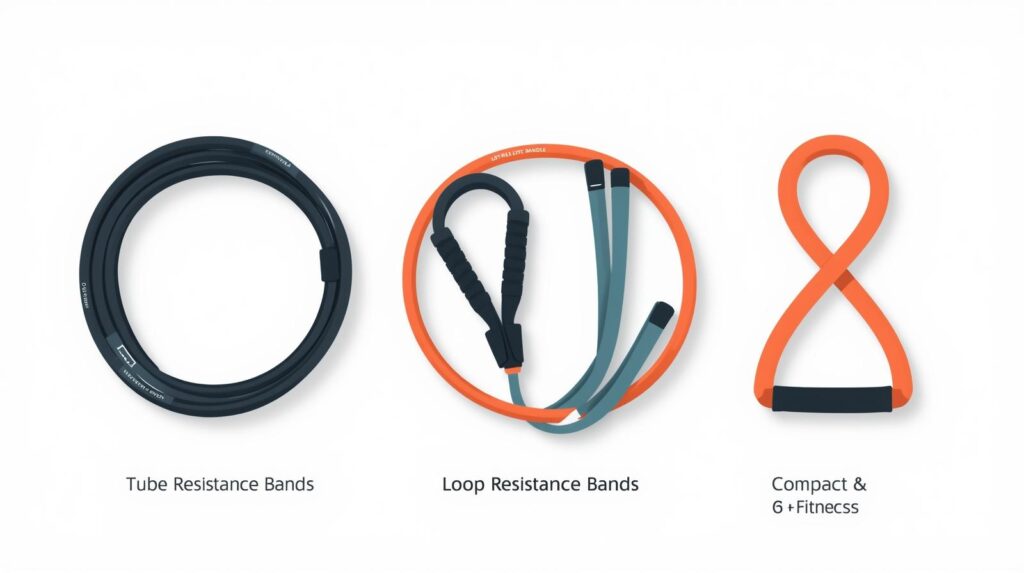
Tube Resistance Cords with Handles
These are the most popular. They’re great for chest presses, rows, and arm exercises thanks to their comfortable grip.
Loop Resistance Bands
No handles, endless possibilities. Ideal for lower-body workouts, glute activation, and rehab exercises.
Figure-8 Resistance Cords
Compact and beginner-friendly, these work great for arms and shoulders.
How to Choose the Right Resistance Level
Start light. If you can’t control the movement, it’s too heavy. If it feels like stretching a rubber band for fun, go heavier.
Resistance Cords vs Free Weights
Range of Motion Comparison
Resistance cords keep muscles engaged throughout the entire movement, unlike weights that lose tension at certain points.
Safety and Injury Prevention
No sudden drops. No heavy plates. Resistance cords are safer, especially for solo workouts.
Which Is Better for Beginners?
Resistance cords win hands down. They teach control before strength.
Full-Body Resistance Cords Workout Plan

Upper Body Resistance Cords Exercises
Chest Press
Anchor the cord behind you and press forward. Feels like bench press—minus the bench.
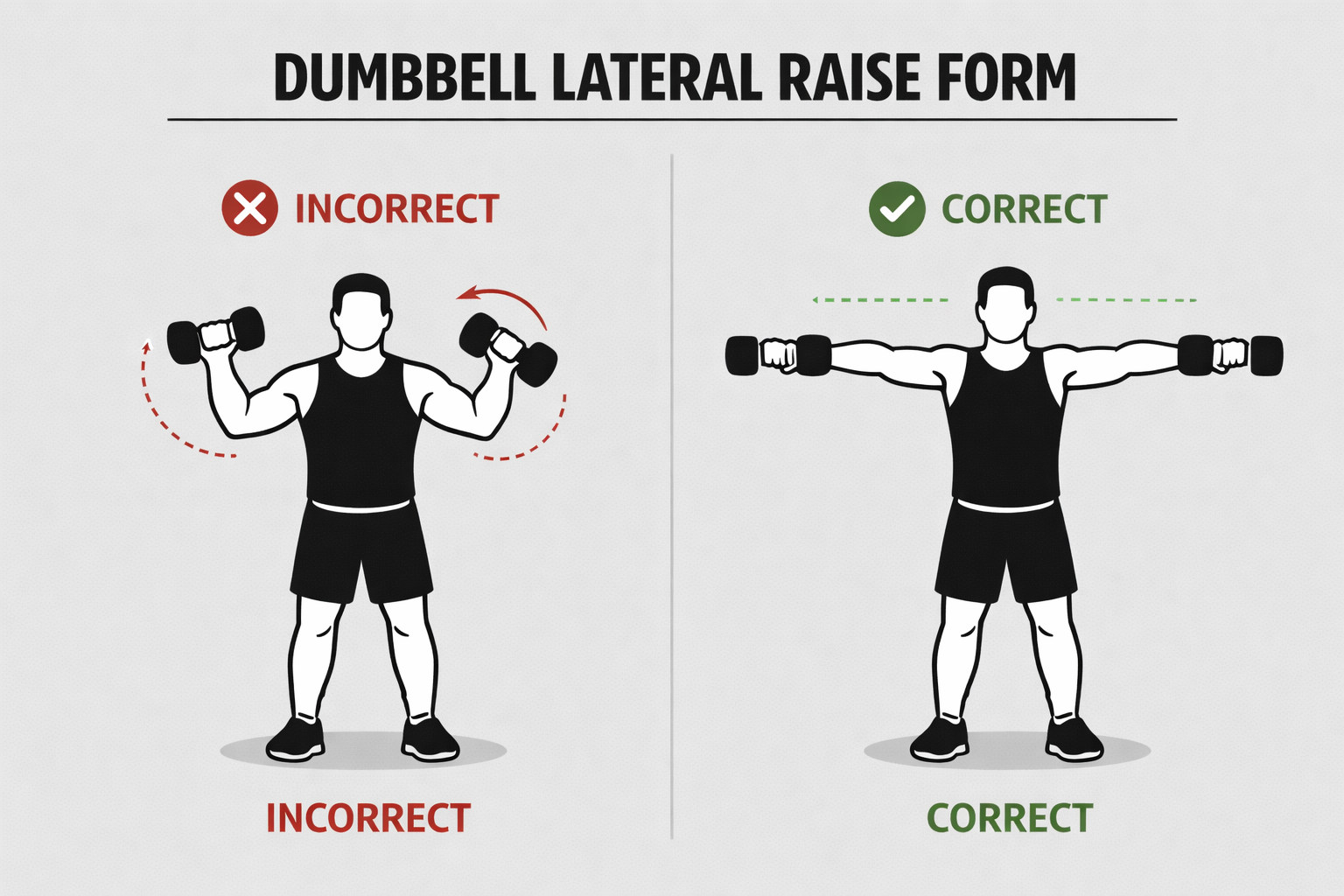
Shoulder Lateral Raises
Step on the cord and raise arms sideways. Instant shoulder burn.
Bicep Curls
Classic curls with constant tension. Slow and controlled is the key.
Lower Body Resistance Cords Exercises
Squats
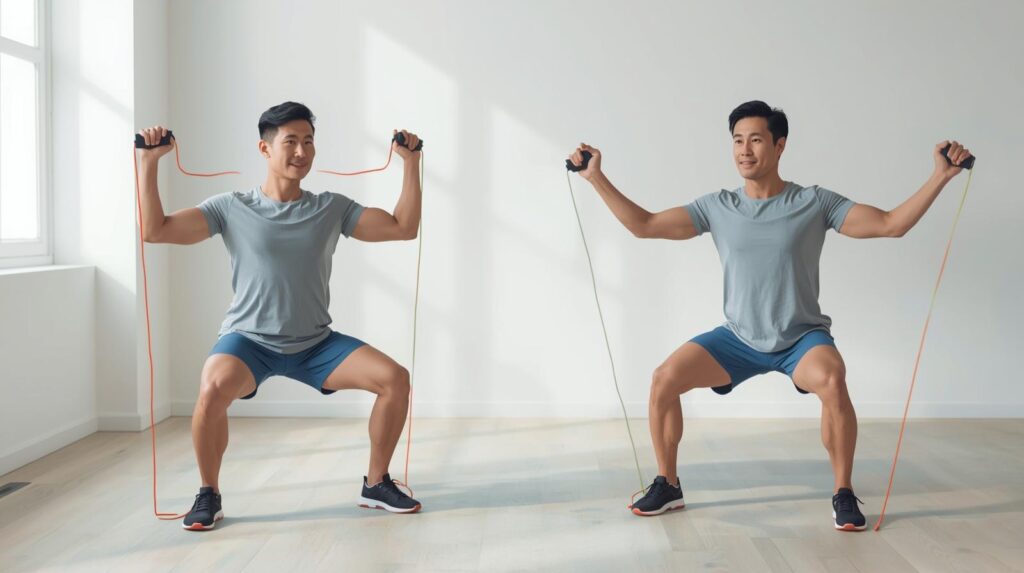
Stand on the cord, handles at shoulders, and squat deep. Simple. Brutal. Effective.
Glute Kickbacks
Anchor low and kick back. Your glutes will thank (and curse) you.
Core Resistance Cords Exercises
Standing Woodchoppers
Twist against resistance. Perfect for obliques.
Seated Russian Twists
Add tension to core rotation for next-level abs.
Resistance Cords Exercises for Beginners
Beginner-Friendly Routine
- Squats – 12 reps
- Chest Press – 10 reps
- Rows – 10 reps
- Shoulder Press – 8 reps
Reps, Sets, and Rest Guidelines
2–3 sets, 30–45 seconds rest. Focus on form, not speed.
Advanced Resistance Cords Exercises
Progressive Overload with Bands
Increase resistance, slow down reps, or add pauses. Simple tweaks, massive gains.
Compound Movements for Strength
Combine squat + press or lunge + curl for efficiency.
Resistance Cords Exercises for Weight Loss

Fat-Burning Circuits
Move fast, rest less. Resistance cords keep your heart rate up while building muscle.
HIIT with Resistance Cords
30 seconds work, 15 seconds rest. Repeat. Sweat guaranteed.
Resistance Cords Exercises for Rehabilitation
Physical Therapy and Recovery
Perfect for rebuilding strength without overload.
Posture and Mobility Improvement
Great for shoulder stability, hip mobility, and back health.
Common Mistakes to Avoid
Using the Wrong Resistance
Too heavy ruins form. Too light wastes time.
Poor Form and Posture
Control the band. Don’t let it control you.
How Often Should You Train with Resistance Cords?
Weekly Workout Split
3–5 days a week works best.
Rest and Recovery Tips
Muscles grow when you rest. Respect recovery days.
Resistance Cords Workout Tips for Best Results
Warm-Up and Cool Down
Never skip them. Ever.
Tracking Progress
Track reps, resistance levels, and time under tension.
Who Should Use Resistance Cords Exercises?
Beginners to Athletes
Everyone benefits. Period.
Seniors and Office Workers
Low impact, high reward. Ideal for daily movement.
Also Read: Shoulder Training with Dumbbells: The Complete Guide
Conclusion
Resistance cords exercises prove that you don’t need fancy equipment to get strong, lean, and fit. Whether you’re a beginner, traveler, or seasoned athlete, resistance cords adapt to you. Simple tool. Serious results.
Are resistance cords exercises effective for muscle building?
Yes, especially when used with proper tension and progressive overload.
Can resistance cords replace gym workouts?
For most people, absolutely. They cover strength, endurance, and mobility.
How long should a resistance cords workout be?
20–45 minutes is more than enough.
Are resistance cords safe for seniors?
Yes, they’re one of the safest strength-training tools available.
Can I lose belly fat using resistance cords exercises?
Combined with diet and consistency, resistance cords are excellent for fat loss.